1. Introduction to Free Zones in Turkey
Free Zones in Turkey play a pivotal role in fostering international trade, attracting foreign direct investments, and enhancing export-oriented production. Designed as special economic regions, free zones operate under distinctive legal frameworks that distinguish them from the general economic regulations applied across the country. According to the Turkish Ministry of Trade, there are currently 18 active free zones strategically located near ports and major trade hubs, providing businesses with efficient access to international markets. This includes major locations such as the Antalya Free Zone, which offers direct access to maritime trade routes.
1.1 Definition of Free Zones
Free zones, as defined by Turkish regulations, are designated areas where legal, administrative, and fiscal constraints applicable in other parts of the country are relaxed or partially implemented. These zones enable industrial and commercial activities to flourish by offering unique incentives, such as those found in Antalya free trade zone, where strategic logistics and regulatory advantages are well established like tax exemptions, simplified customs processes, and reduced regulatory burdens.
The Turkish Ministry of Trade highlights that free zones in Turkey offer unique benefits, including the ability to conduct transactions in foreign currency, exemption from corporate taxes on production-based profits, and unrestricted capital movement. These incentives aim to make free zones a magnet for both domestic and international investments. For example, registering a company in an economic zone in Turkey, such as the Antalya Free Zone, can provide immediate operational advantages.
1.2 Purpose and Importance of Free Zones
The primary purpose of free zones is to stimulate Turkey’s economic growth by promoting exports, attracting technology transfer, and fostering employment. According to official data, companies operating within these zones generated export revenues exceeding $13 billion in recent years, underlining their significant contribution to Turkey’s trade balance.
The significance of these zones extends beyond mere economic advantages. Especially in regions like the Antalya Free Zone, where foreign investors benefit from proximity to both European and Middle Eastern markets. By facilitating trade and investment, free zones contribute to Turkey’s geopolitical positioning as a bridge between Europe, Asia, and the Middle East.
For instance, companies in specialized free zones receive targeted support for high-value, technology-driven production, such as rent subsidies and employment incentives, aligning with the nation’s ambition to become a global hub for advanced manufacturing and research and development.
Moreover, the principle of equality embedded in Turkey’s free zone policies ensures that domestic and foreign investors enjoy similar privileges, reinforcing the country’s commitment to a fair and open trade environment. This inclusive approach fosters trust and collaboration among international business partners, solidifying Turkey’s reputation as an attractive investment destination.
By offering a unique convergence of logistical, financial, and operational advantages, Turkey’s free zones are vital components of its economic strategy. Their role in enhancing Turkey’s export capacity and attracting global talent underscores their importance in shaping the nation’s economic future.
2. Investment Advantages of Free Zones in Turkey
Turkey’s free zones are tailored to foster economic growth, enhance export potential, and create an investor-friendly environment. These zones offer significant benefits, attracting businesses looking for cost-effective and efficient operational solutions. This section elaborates on the key investment advantages, focusing on tax incentives, cost reductions, and simplified trade regulations.
2.1 Tax Incentives
Tax relief is among the most prominent advantages of operating in Turkey’s free zones. Companies engaged in production activities benefit from a 100% exemption from corporate tax on their revenues, a vital incentive for manufacturers. Moreover, value-added tax (VAT) is not applicable to transactions conducted within these zones, making operations more cost-efficient.
Customs duties, which can burden international trade, are entirely waived for goods imported into free zones. This eliminates additional costs and makes the zones a prime location for global trade activities. Furthermore, dividend distributions from free zone profits are not subject to withholding tax, allowing businesses to maximize returns on investment.
These tax exemptions apply across various sectors, enhancing competitiveness and ensuring that businesses can retain more capital for reinvestment and growth. The ability to transfer profits freely without any restrictions further enhances the appeal of Turkish free zones for international investors.
This is particularly advantageous for foreign investors completing economic zone registration in Turkey, as it ensures global financial flexibility.
2.2 Cost Advantages
Operating within free zones significantly reduces the overall costs for businesses. These zones offer low-cost leasing opportunities for pre-constructed offices, warehouses, and industrial units, ensuring that businesses save on infrastructure expenses.
One of the key cost-saving measures is the duty-free import of raw materials, semi-finished products, and equipment. This allows companies to optimize their supply chains while keeping production expenses low. Additionally, businesses directly involved in exporting are exempt from paying social security premiums for their employees, further reducing labor costs.
Turkey’s competitive labor market, combined with the additional cost savings available in free zones, makes these areas highly attractive to foreign investors and export-driven enterprises.
2.3 Simplified Trade Regulations
Free Zones in Turkey are designed with a streamlined regulatory framework to facilitate smooth business operations. Companies benefit from simplified customs procedures, including the ability to bring goods into free zones without submitting detailed customs declarations or paying upfront duties.
Additionally, the licensing and permitting processes for setting up businesses in these zones are significantly less time-consuming compared to other jurisdictions. Companies can establish their operations faster, giving them a competitive edge. The absence of time restrictions for storing goods in free zones further supports flexible and efficient trade practices.
Moreover, the simplified trade regulations are tailored to promote international trade, enabling businesses to focus on production, innovation, and market expansion without being hindered by bureaucratic delays.
By combining robust tax advantages, substantial cost savings, and simplified trade procedures, Turkey’s free zones provide an ideal environment for international and domestic businesses. These zones play a pivotal role in driving economic activity and establishing Turkey as a regional hub for global trade.

3. How to Invest in Free Zones in Turkey
Turkey’s free zones offer attractive advantages for investors, but investing in these zones requires careful planning and an understanding of the process. Selecting the right free zone, navigating the application procedures, and establishing a business are key steps for a successful investment.
3.1 Selecting the Right Free Zone
The first step to successful investment in a free zone is choosing the one that aligns with your business needs and goals. Turkey has 18 free zones catering to various industries. These zones differ in geographical location, sectoral focus, and infrastructure facilities. For instance, investors seeking maritime advantages often prioritize economic zone registration in Turkey through the Antalya Free Zone, thanks to its port-side location.
- Location Analysis: Consider the logistical advantages, proximity to export markets, and transport infrastructure.
- Sectoral Compatibility: Assess whether the zone specializes in your target industry (e.g., technology, manufacturing, logistics).
- Infrastructure Availability: Evaluate the availability of modern facilities, warehouses, and office spaces.
For detailed information, you can visit Ministry of Trade’s Free Zones Overview and the Turkish Free Zones Association.
3.2 Application Process
The application process for operating in a free zones in Turkey is straightforward but requires attention to detail. Here are the main steps:
- Submission of the Free Zone User Application Form: Submit the relevant form to the Ministry of Trade.
- Defining the Area of Activity: Specify the intended type of activity (e.g., manufacturing, trade, storage) in your application.
- Document Preparation: Provide necessary documents, such as company records and a trade registry gazette, alongside the application form.
- Evaluation and Approval: The ministry evaluates the application and provides approval if all criteria are met.
3.3 Establishing a Business in a Free Zone
After receiving approval, you can proceed with establishing your business. The process involves:
- Signing a Lease Agreement: Secure office, warehouse, or production space in the zone.
- Obtaining an Operating License: Acquire the necessary operating license to start activities legally.
- Facility Setup: Invest in the equipment and infrastructure needed for production or trade.
- Commencing Operations: Begin producing and exporting goods or services as planned.
By following these steps, investors can take advantage of Free Zones in Turkey and enjoy significant benefits while streamlining their operations in these regions.
4. Legal Aspects of Investing in Free Zones in Turkey
Investing in Free Zones in Turkey offers significant advantages, but it also requires an understanding of the legal framework governing these zones. By familiarizing themselves with the regulatory landscape and their rights as investors, businesses can mitigate risks and make the most of the opportunities available.
4.1 Regulatory Framework
The operations of Turkey’s free zones are governed by the Free Zones Law No. 3218, which provides a comprehensive legal structure designed to attract foreign and domestic investment. This law establishes the regulatory framework for the creation, management, and functioning of these zones.
Key highlights of the regulatory framework include:
- Flexibility in Activities: Investors can engage in production, trade, storage, or a combination of these activities, depending on their strategic goals.
- Licensing Requirements: Businesses operating in free zones must obtain an operating license from the Turkish Ministry of Trade. This license specifies the scope of activities allowed in the zone.
- Customs and Duties Exemption: Goods entering or leaving free zones are exempt from customs duties and trade restrictions, facilitating seamless international trade operations.
Additionally, specific regulations apply to ensure compliance with Turkish labor laws while offering incentives, such as income tax exemptions for employees working in the zones.
4.2 Investor Rights and Protections
Free Zones in Turkey are designed to safeguard investors and create a stable environment for long-term growth. The legal framework ensures the following key protections:
- Non-Discriminatory Practices: Both domestic and foreign investors are treated equally, with no additional requirements or restrictions placed on foreign businesses.
- Capital and Profit Repatriation: Investors are free to transfer profits and capital from free zones to any country without currency restrictions, enabling greater financial flexibility.
- Dispute Resolution Mechanisms: Legal disputes arising in free zones are subject to Turkish laws, with the option to use international arbitration if stipulated in contracts.
- Ownership Rights: Investors can fully own and manage their facilities in the free zones, without needing local partnerships or additional permissions.
- Stable Investment Environment: The Turkish government has committed to maintaining the incentives and privileges offered to businesses in free zones, ensuring predictability and reliability for investors.
These legal guarantees are essential for building investor confidence and reducing uncertainties often associated with cross-border operations.
Understanding the legal aspects of investing in Turkey’s free zones is crucial for businesses aiming to maximize their benefits while minimizing risks. By leveraging the robust regulatory framework and investor protections, businesses can secure their investments and ensure long-term success in Turkey’s thriving free zone ecosystem.

5. Tax Benefits for Foreign Investors in Free Zones in Turkey
Investing in Free Zones in Turkey provides an unparalleled opportunity for foreign investors to benefit from a host of tax incentives. These benefits are carefully structured to enhance cost-efficiency, encourage business activity, and provide a globally competitive operating environment.
5.1 Corporate Tax Exemptions
One of the most attractive advantages of Free Zones in Turkey is the corporate tax exemption. Businesses operating in these zones are exempt from paying corporate income tax on profits derived from activities within the zone. This applies to both production and service activities, providing a significant financial edge for companies aiming to optimize their profit margins.
Moreover, foreign investors gain added flexibility in financial planning as this exemption ensures that their taxable income remains unaffected by operational profits from the free zone. For companies focusing on export-oriented production, this exemption further increases their competitiveness in global markets by reducing overhead costs.
5.2 VAT and Customs Duty Waivers
Free Zones in Turkey also offer value-added tax (VAT) and customs duty exemptions, eliminating additional financial burdens. Goods imported into the free zones for manufacturing, processing, or storage are exempt from customs duties, ensuring seamless and cost-effective supply chain management.
In addition, VAT exemptions extend to transactions within the zones, such as purchasing goods or services, making operations significantly more affordable. This dual benefit fosters a low-cost ecosystem, allowing businesses to reinvest savings into growth or innovation.
Unique Considerations
While these benefits are standard across free zones globally, Turkey’s model stands out due to its guaranteed continuity of incentives. The legal framework ensures that these tax benefits remain stable and predictable, a rarity in many emerging markets. Additionally, the administrative process for claiming these exemptions is streamlined, reducing bureaucratic hurdles for investors.
By combining these advantages with Turkey’s strategic location and robust infrastructure, foreign investors can achieve a competitive advantage unparalleled in other free zone models.
6. Benefits of Free Zones in Turkey for International Investors
Free Zones in Turkey offer a wealth of advantages to international investors, positioning them as strategic hubs for business operations. Beyond traditional incentives, these zones capitalize on Turkey’s unique geographical and economic attributes to deliver benefits often overlooked in global competition.
6.1 Strategic Location
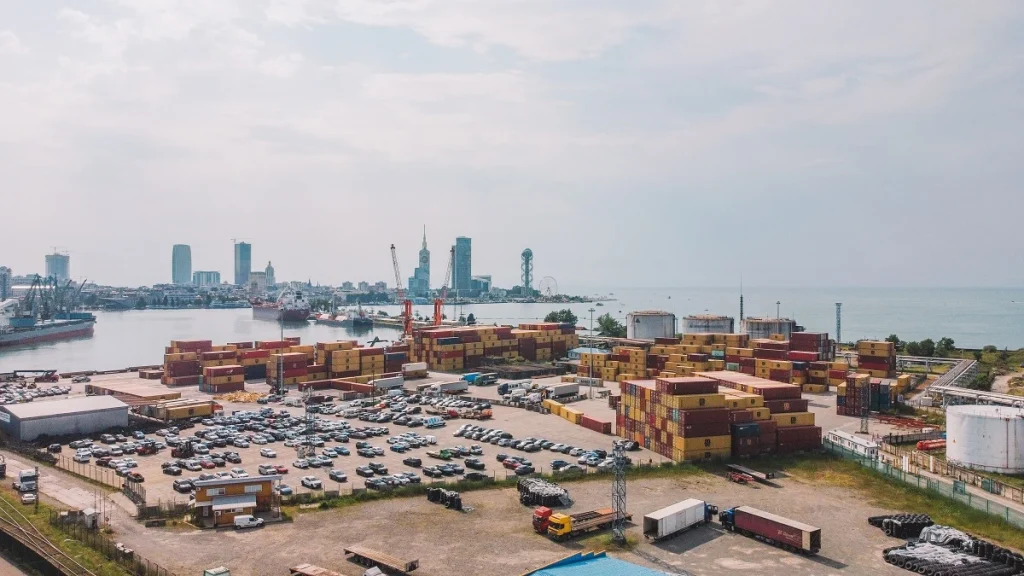
Free Zones in Turkey are strategically located at the crossroads of Europe, Asia, and the Middle East, offering unparalleled access to these regions. This geographical advantage reduces logistical complexities and shipping times, making Turkey a central node in global trade routes. The Antalya Free Zone, positioned on the Mediterranean, serves as a strategic export launch point into Europe and MENA regions.
International investors benefit from proximity to key markets, including the European Union, which is Turkey’s largest trading partner. Furthermore, the availability of modern port facilities and connectivity through Turkey’s extensive transportation network strengthens the efficiency of supply chains. Investors can efficiently distribute goods to both developed and emerging markets, leveraging Turkey’s position as a bridge between continents.
6.2 Access to Skilled Labor
Turkey boasts a dynamic and growing workforce, with a significant portion trained in technical and industrial disciplines. Free zones, in particular, attract highly skilled labor due to their competitive employment benefits and advanced infrastructure.
International investors gain access to a diverse talent pool equipped with the skills required for modern industries, from manufacturing to advanced technological services. Furthermore, the government’s emphasis on vocational training programs ensures a steady pipeline of qualified workers aligned with global standards.
Unique Insights
What sets Turkey apart is its commitment to fostering innovation within free zones. Several zones actively collaborate with academic institutions, offering investors a chance to engage with research and development initiatives. This synergy between industry and academia ensures continuous access to cutting-edge skills and ideas, amplifying the value proposition for international businesses.
7. Conclusion: Unlocking the Potential of Free Zones in Turkey
Turkey’s free zones offer a unique gateway for international investors looking to expand their operations in a dynamic and strategically located market. Combining generous tax incentives, cost advantages, and streamlined trade regulations, these zones have become a compelling choice for businesses across various sectors. However, their true potential lies in the ecosystem they create—bridging global markets with Turkey’s robust infrastructure and skilled workforce.
What sets Turkey’s free zones apart is not just their economic benefits but also their ability to foster innovation and cross-border collaboration. Investors can tap into state-of-the-art facilities while benefiting from a regulatory framework that prioritizes efficiency and growth. For instance, the elimination of bureaucratic barriers within these zones significantly reduces operational complexities, enabling businesses to focus on scaling and innovation.
Moreover, the strategic location of these zones provides unmatched access to key markets in Europe, the Middle East, and Asia. This geographical advantage, coupled with Turkey’s deep pool of skilled labor, creates an environment that is ideal for both manufacturing and service-oriented industries.
To fully unlock the potential of Turkey’s free zones, businesses must approach their investment with careful planning and informed decision-making. Selecting the right zone, understanding the legal framework, and leveraging available support mechanisms are crucial steps for success. By embracing these strategies, international investors can maximize their return on investment while contributing to the economic dynamism of Turkey’s free zones.
For more details, explore the comprehensive benefits outlined by the Turkish Ministry of Trade and the Turkish Free Zones Association. These resources provide essential insights for businesses seeking to navigate this promising landscape.
FAQ
What is a Free Zone in Turkey?
A Free Zone in Turkey is a designated area where companies benefit from tax exemptions, simplified customs procedures, and regulatory advantages to promote export-oriented production and attract foreign investment.
What are the tax benefits of operating in a Turkish Free Zone?
Businesses operating in Turkish free zones enjoy corporate tax exemptions, VAT waivers, customs duty exemptions, and no withholding tax on profit distributions—especially for companies focused on manufacturing and export.
Who can invest in free zones in Turkey?
Both foreign and domestic investors can operate in Turkish free zones. The law guarantees equal treatment, full ownership rights, and free repatriation of capital and profits.
How can I register a company in a free zone in Turkey?
The process involves selecting a suitable zone (e.g., Antalya Free Trade Zone), submitting a Free Zone User Application Form, defining your area of activity, and obtaining an Operating License from the Ministry of Trade. If the company has not yet been established, the incorporation process must also be initiated before the relevant Trade Registry Office. This process is part of economic zone registration in Turkey. If you would like to learn more about how to register a company in Turkey, you can check out our detailed guide: How to Register a Company in Turkey: A Step-by-Step Guide for Foreigners in 2025